We stopped talking and built something. We Built it in Mokopane
May 6, 2026
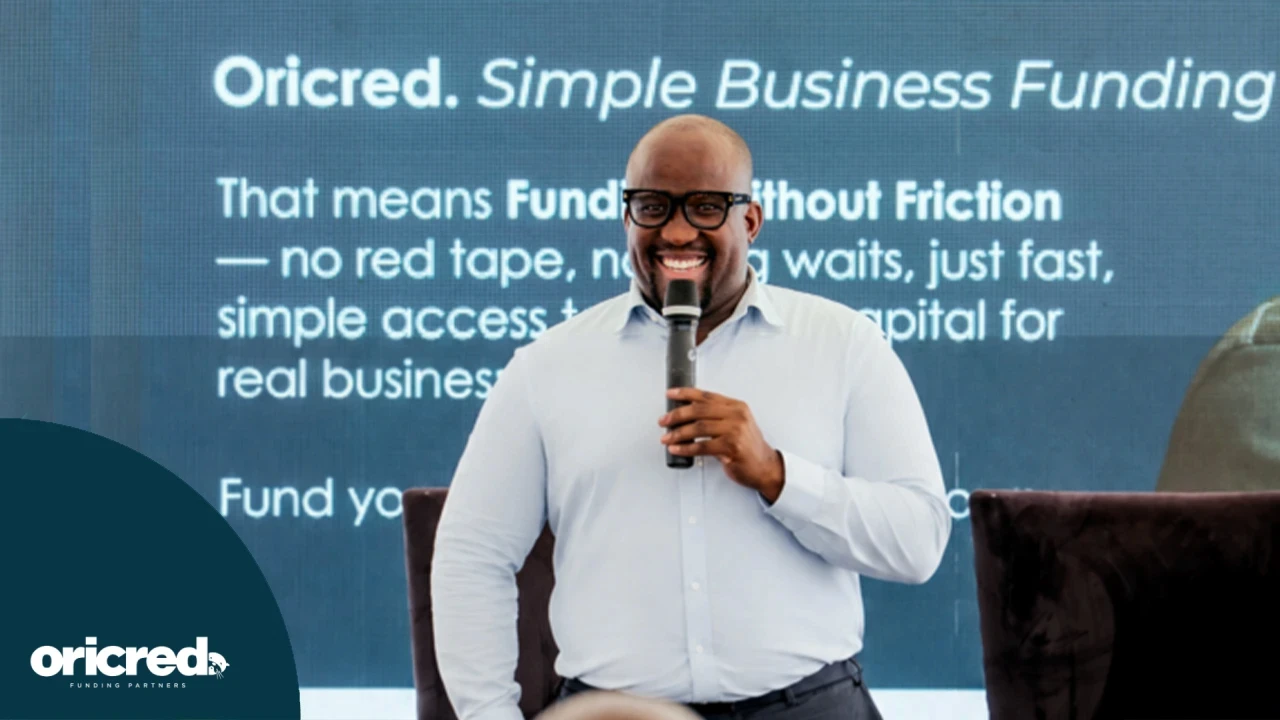
There is a moment in every business when the analysis ends and the commitment begins.
For us, that moment happened in Mokopane.
What the ground reveals
From a distance, a deal looks like a document. On the ground, it is a living thing. Suppliers shift. Timelines compress. Input costs change overnight. Problems arrive at seven in the morning before anyone in Johannesburg has opened a laptop. And when they do, the difference between a loss and a recovery is almost always how quickly the right support can respond.
Mokopane sits at the centre of South Africa’s platinum belt. Mogalakwena is minutes away. Platreef has come online. The contracts are real, the demand is growing, and the entrepreneurs in this region are already participating in formal supply chains. That part of the story is not broken. What is fragmented is everything that happens after the purchase order lands.
Funding sits elsewhere. Decisions happen elsewhere. Coordination is informal. And time, the one thing delivery depends on most, gets lost in the space between.
We did not need more analysis to understand this. We needed to move closer.
Why we built here and what we built
The Oricred Hub in Mokopane is what we believe to be the first dedicated working capital hub established within a South African mining corridor and rural-urban economy. Not a satellite office. Not a co-working space. A purpose-built environment where funding, deal structuring, supplier coordination, and execution support exist in the same place, at the same time, close to where delivery actually happens.
The decision to build here carries the endorsement of Valtera, a mining company with deep operational roots in the Mokopane region. Their involvement anchors the Hub within a real and active supply chain. It is also a signal worth noting: that the private sector, when it chooses to, can be part of building the solution rather than remaining a distant beneficiary of it.
This is not a concept being piloted. It is open and operational.
What changes when the system is in one place
The effect of proximity is difficult to overstate.
When a funder is physically present in the same environment as the entrepreneur, risk assessment changes. It becomes grounded in reality rather than abstraction. Deal structuring reflects what local suppliers can actually provide, what logistics genuinely cost, and what the delivery window truly allows. When something shifts on the ground, which it always does, it can be addressed immediately rather than after the damage has already been done.
Over time, something more valuable than efficiency emerges. Trust. Not the abstract kind that appears in policy documents, but the kind built through visibility, through consistency, through accountability being present in the same room as the work.
A professional environment also does something easy to underestimate. It changes how businesses carry themselves. Structure improves. Standards rise. The entrepreneurs operating from the Hub engage with corporate and government clients differently, because they are operating from a space that reflects the seriousness of what they are building. Execution stops happening despite the environment. It starts happening because of it.
What this signals
Mokopane is one place. But it asks a question worth asking everywhere.
How many towns across South Africa sit within active industrial corridors, full of capable entrepreneurs and real contracts, and still without anything close to what the Hub provides? How many SMEs are losing deals not because they cannot deliver, but because the system around them was never designed to support delivery?
We are not in the business of waiting for that system to fix itself. We are in the business of building what is missing and proving it works.
The businesses operating from the Hub today are not waiting for permission or policy. They are delivering. They are building track records and compounding the kind of credibility that eventually changes how the broader financial system has to see them.
That is what commitment to a place actually looks like. Not a press release. Not a ribbon cutting. A hub, open, operational, and doing the work.
The conversation about whether South African SMEs can deliver at scale has gone on long enough. The only question that matters now is whether we are willing to build the systems that make scale not just possible, but inevitable.
In Mokopane, we already have.
More Articles



Oricred helps small and medium enterprises (SMEs) who need help funding and delivering on secured contracts with a value of up to R80 Million. Get flexible finance options andfast feedback.
© 2026 | Oricred | All Rights Reserved